
Continuous Cardiac Troponin Surveillance
ALC-100 is Alycium's lead development program — a continuous point-of-care cardiac troponin monitoring platform designed for real-time detection of myocardial injury. The system is engineered to replace the serial venous blood draw model with uninterrupted biochemical surveillance.
The platform targets deployment in emergency departments, chest pain observation units, and post-procedural cardiac care settings where early troponin detection has direct clinical impact on patient outcomes and time-to-intervention.
- Continuous cardiac troponin I/T measurement
- No central laboratory dependency
- Real-time output for clinical decision support
- Patent pending
ALC-100 is investigational and has not been cleared or approved by the FDA. There is no guarantee that ALC-100 will achieve regulatory clearance or that clinical outcomes will be consistent with preclinical findings.
BNP / NT-proBNP Continuous Monitoring
ALC-200 extends the continuous surveillance platform to natriuretic peptide biomarkers — the gold standard for heart failure diagnosis, prognosis, and disease management. The program targets continuous BNP and NT-proBNP measurement for real-time heart failure surveillance.
Current heart failure monitoring relies on periodic laboratory draws that fail to capture the dynamic fluctuations in natriuretic peptide levels that correlate with volume status, hemodynamic shifts, and acute decompensation events.
- Continuous BNP and NT-proBNP measurement
- Heart failure decompensation surveillance
- Shared sensor platform architecture with ALC-100
ALC-200 is in the discovery phase. There is no guarantee that discovery-phase programs will advance to preclinical or clinical development.

Multi-Analyte Cardiac Panel
ALC-300 investigates the integration of multiple cardiac biomarkers into a single continuous surveillance platform. The program targets simultaneous, real-time measurement of troponin, natriuretic peptides, and additional risk stratification markers for comprehensive cardiac assessment.
Multi-analyte integration addresses the clinical reality that no single biomarker provides a complete picture of cardiac status. Combining biomarkers in a continuous monitoring context may enable more precise risk stratification than any individual marker alone.
- Integrated multi-biomarker detection
- Comprehensive cardiac risk profiling
- Modular sensor architecture for analyte expansion
ALC-300 is in early discovery. Multi-analyte integration presents additional technical and regulatory complexity. There is no assurance this program will achieve technical feasibility.

Perioperative Cardiac Surveillance
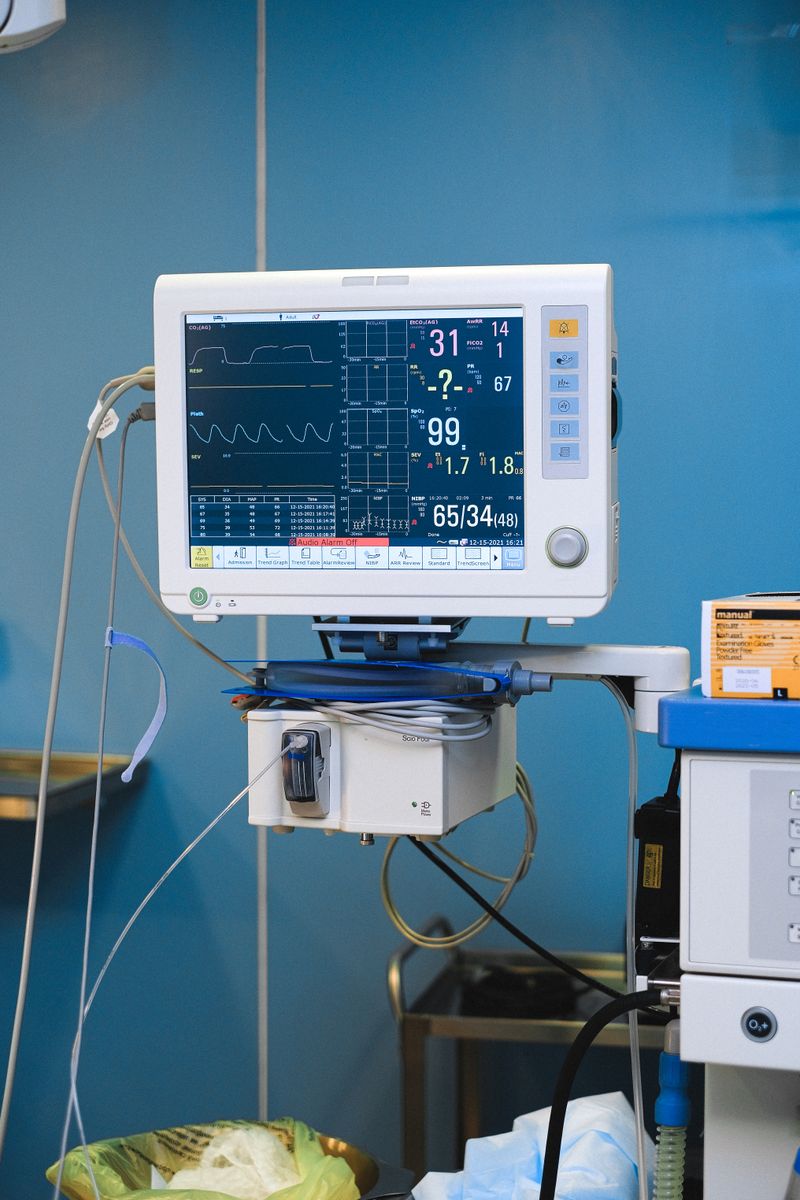
ALC-400 targets the perioperative monitoring gap in cardiac care. Patients undergoing major non-cardiac surgery face elevated risk of myocardial injury, with perioperative myocardial injury (PMI) occurring in an estimated 8% of adults over 45 undergoing non-cardiac surgery globally.
The majority of perioperative cardiac events are clinically silent and go undetected until post-operative laboratory results — often 24 to 72 hours after the event. ALC-400 is designed to provide continuous biomarker surveillance during and after surgical procedures.
- Intraoperative and post-operative monitoring
- Detection of clinically silent perioperative myocardial injury
- Designed for integration with perioperative care workflows
ALC-400 is a planned program that has not entered active development. Initiation is contingent upon successful advancement of earlier-stage programs and the availability of sufficient resources.